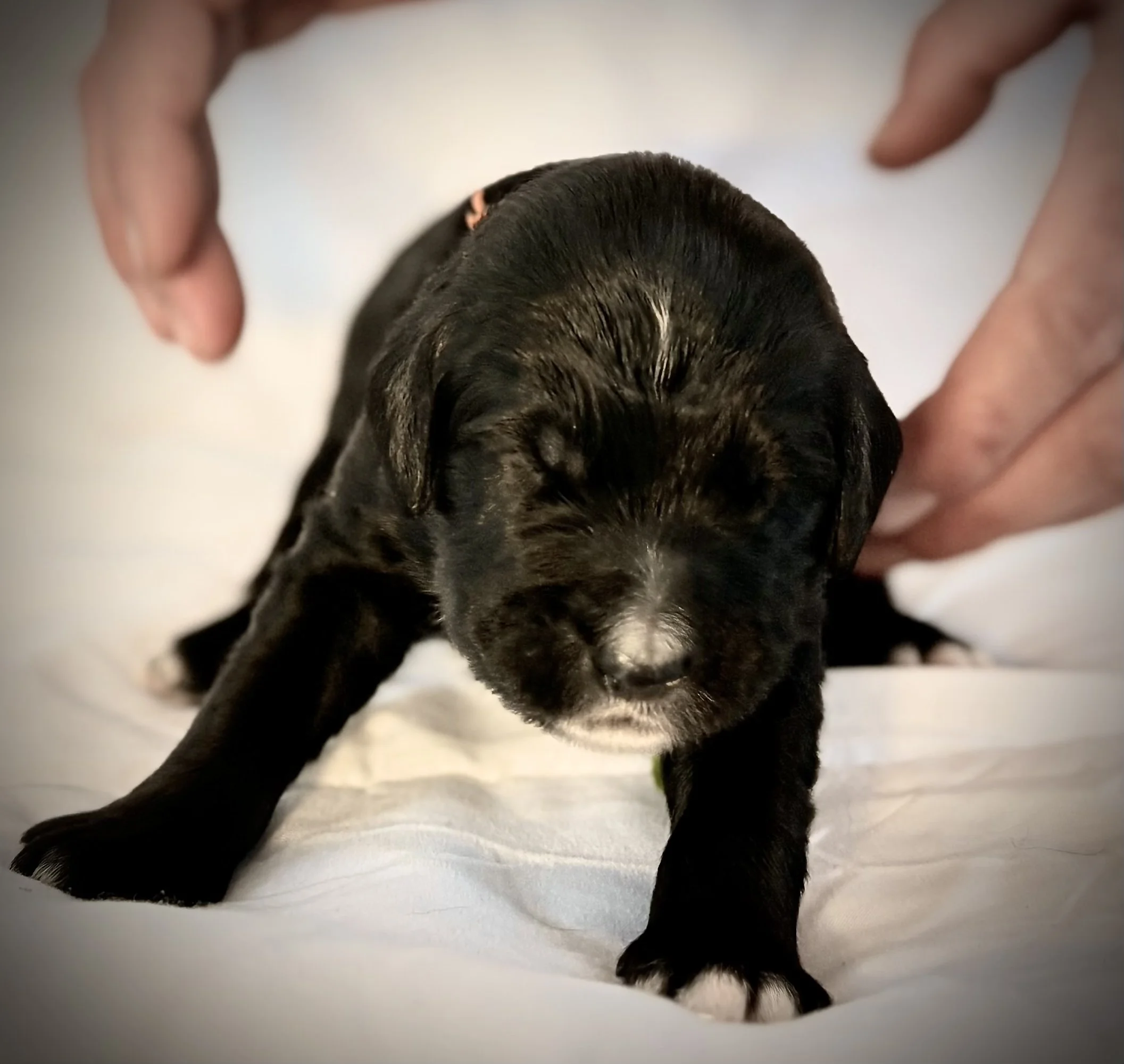
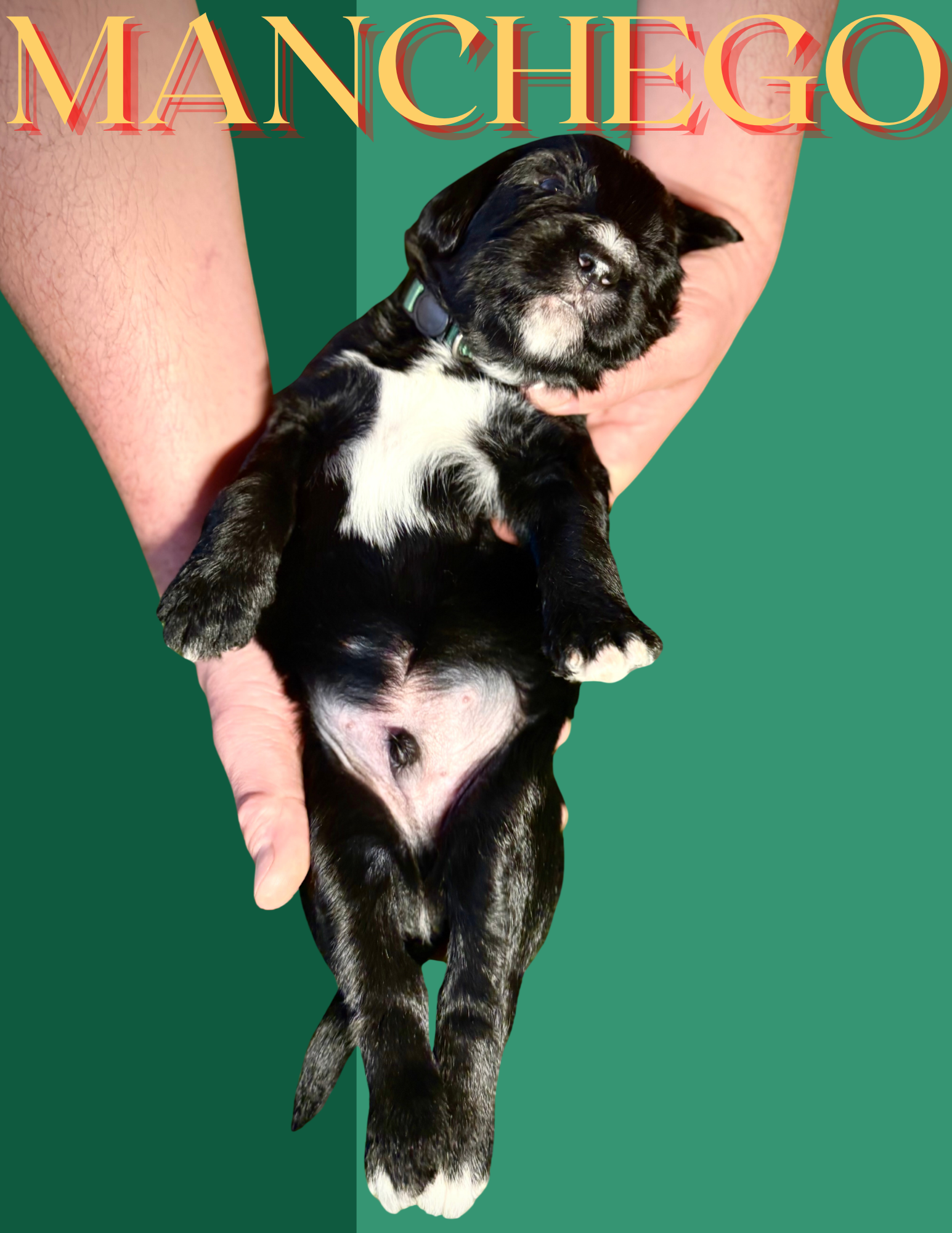
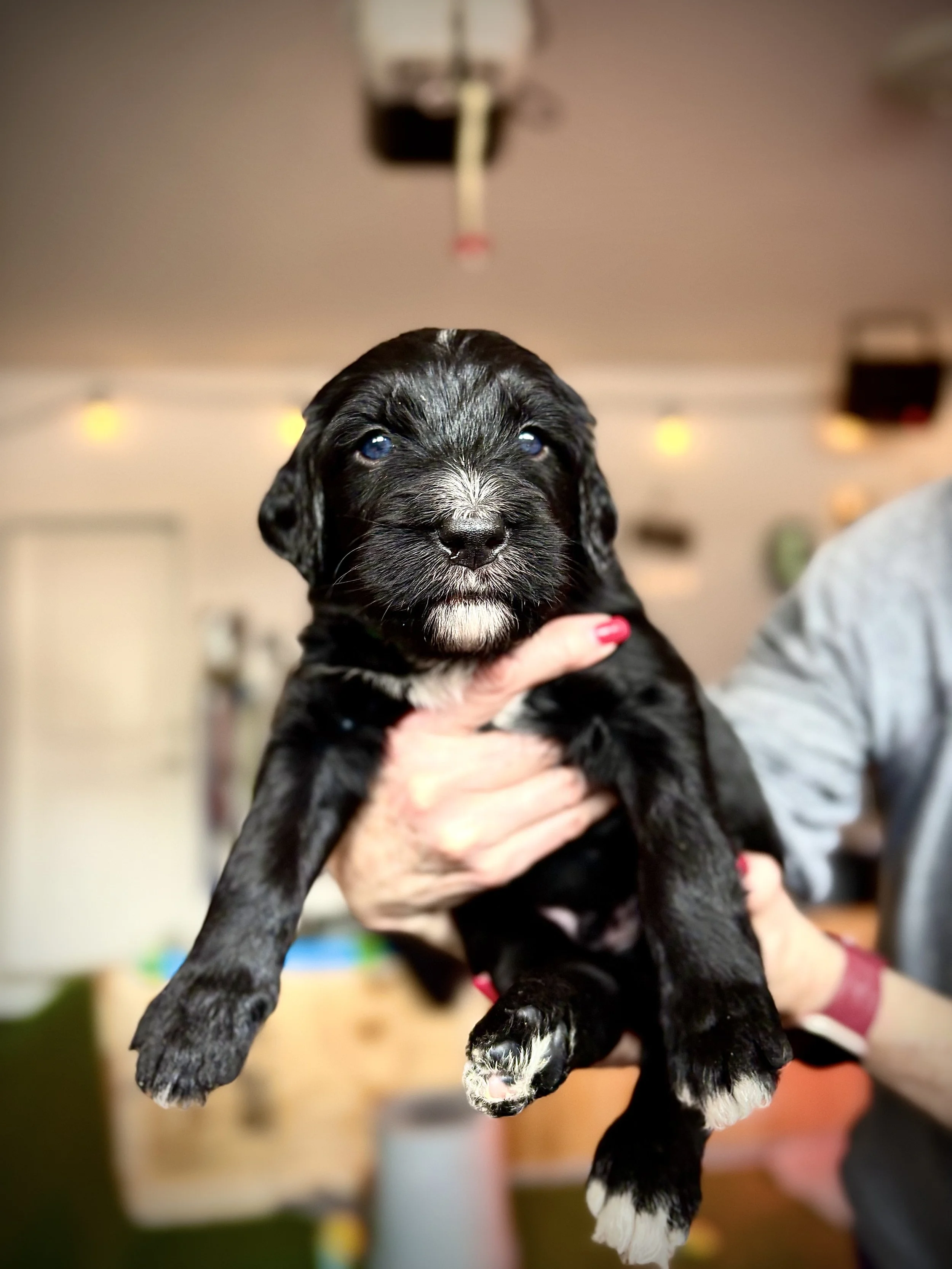
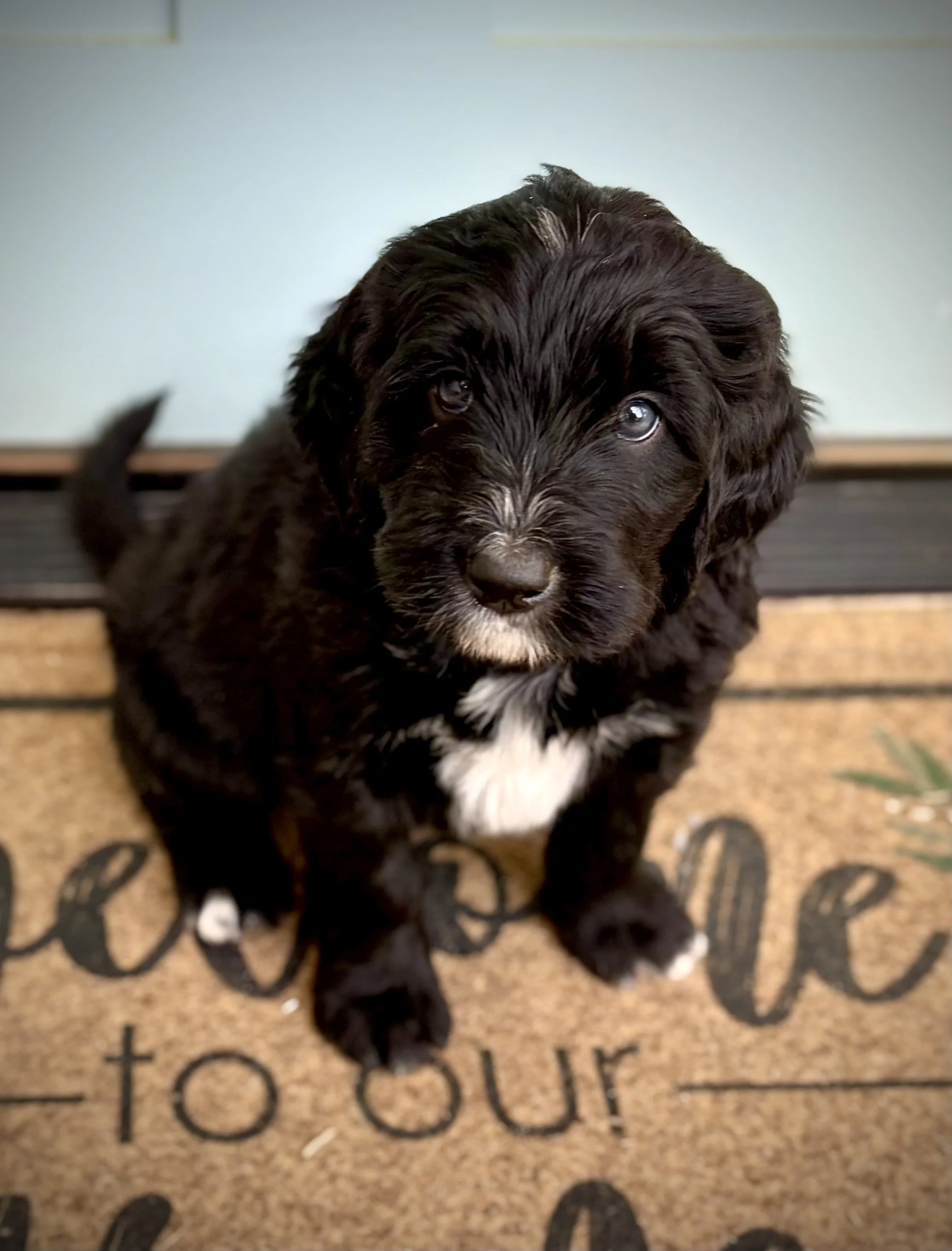
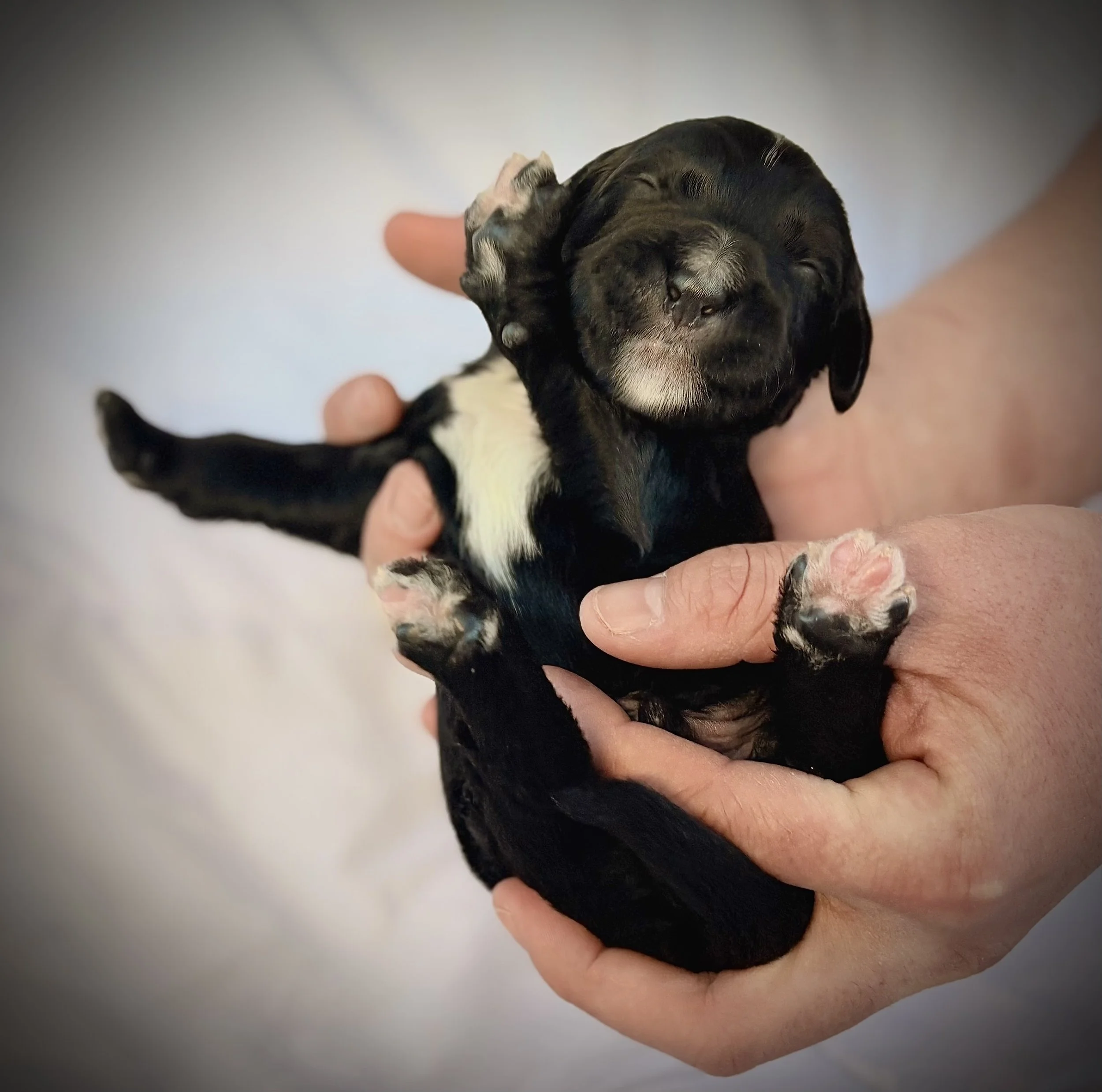
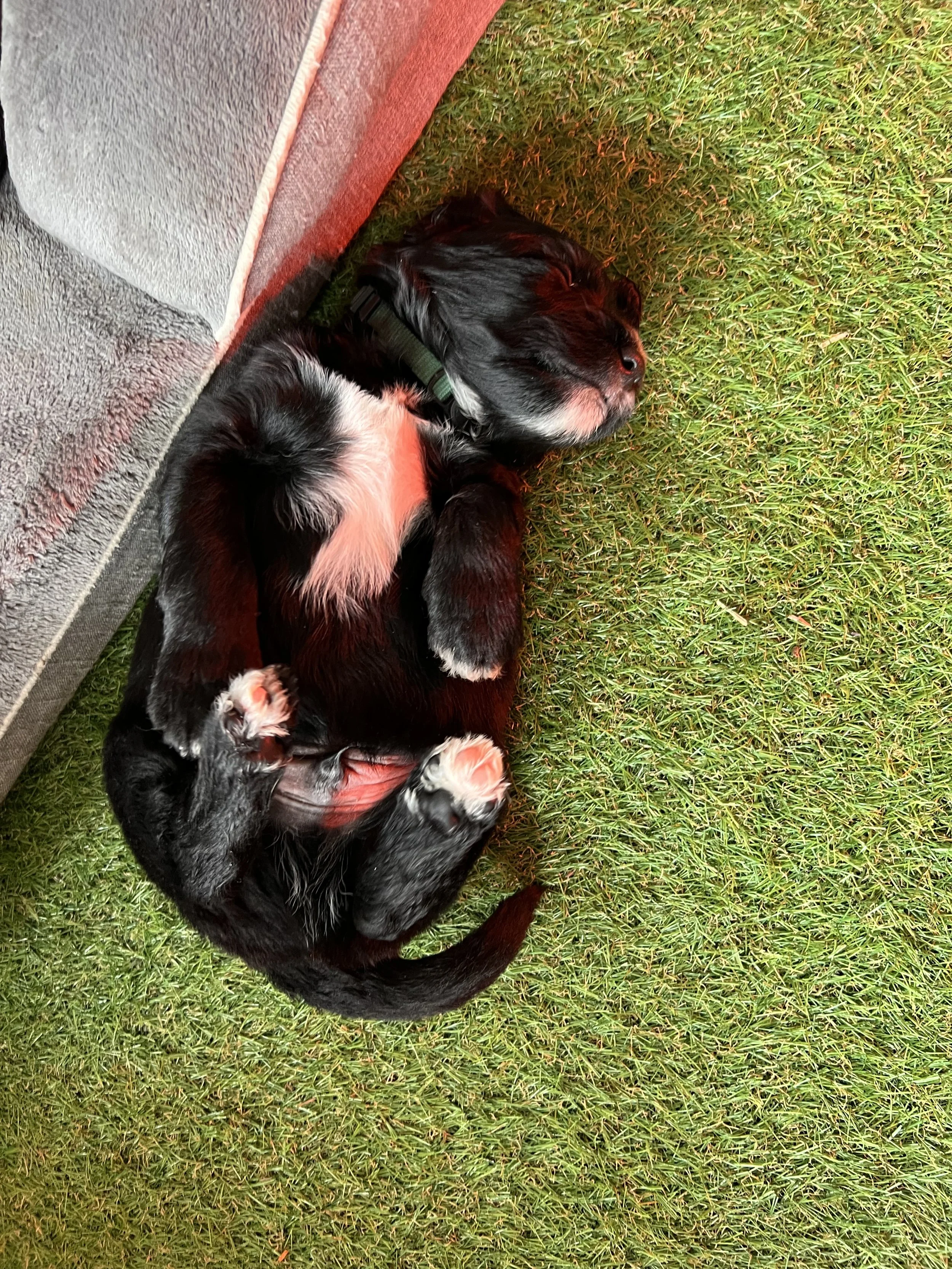
We are deeply committed to matching each of these puppies with the right family — not just any home. From day one, these puppies have been raised with intention, structure, and daily hands-on care. They are receiving Early Neurological Stimulation (ENS) and Early Scent Introduction (ESI), giving them a thoughtful foundation that supports confidence, resilience, and strong human connection.

Each puppy is being carefully observed for temperament, energy level, and personality as they grow. This will allow us to thoughtfully guide families toward the puppy that will best complement their lifestyle — whether that’s a calm, steady companion or a playful, outgoing personality. Our goal is long-term success, smooth transitions, and happy homes.

The investment reflects not only the quality of these puppies, but the intentional early development, daily enrichment, and individualized attention they will receive before ever leaving for their families. We believe that this beginning will make all the difference — and we are proud to send home puppies who are well-started, well-loved, and well-prepared for family life.

  • ESI Reaction Meanings

    During the 3–16 day window, breeders introduce a new scent (e.g., leather, pine, orange) for a few seconds daily and record the puppy's reaction:

    • Positive Reaction: The puppy shows interest in the scent, moves toward it, or sniffs actively. This is often considered desirable for working or hunting dogs.

    • Neutral Reaction: The puppy does not seem interested or disinterested.

    • Negative Reaction: The puppy pulls away from the scent or tries to avoid it.

    Purpose and Benefits

    • Improved Scenting Ability: Dogs exposed to ESI often have stronger scenting titles and abilities later in life.

    • Confidence Building: Similar to ENS, this early exposure helps with neurological development and resilience.

    • Versatility: ESI is useful for preparing puppies for service work, search and rescue, or hunting.

  • The 5 Exercises: Tactile stimulation (tickling between toes), head held up, head pointed down, supine (on back), and thermal stress (placing on a cold damp cloth).

    Purpose: These exercises stimulate the nervous system and build "eustress" (good stress), preparing the puppy's body for future challenges.

    Documented Benefits:

    • Improved Cardiovascular Performance: Stronger heart rate.

    • Stronger Adrenal Glands: Better, more efficient stress responses.

    • Increased Stress Tolerance: Calmness in new or challenging environments.

    • Greater Disease Resistance: Improved immune system function.

    • Beyond Just "Smart": While sometimes called "Super Dog" training, the primary goal is a balanced, confident, and emotionally stable adult dog, not just a more intelligent on

    The “scores” are simply their response to these exercise - 1 being very wiggly and fussy and 5 being very calm and not fussy at all

  • The Puppy Aptitude Test (PAT) (often the Volhard test) is a standardized evaluation conducted around 49 days (7 weeks) old to assess a puppy's temperament, intelligence, and potential for trainability. It helps match the right puppy with the right owner, measuring traits like social attraction, independence, and responsiveness to noise.

    Key Purposes of the Puppy Aptitude Test:

    Understanding the Scores (1-6 Scale):

    Important Considerations:

  • Early Potty Foundations

    We begin laying the groundwork for potty training early by intentionally creating separation between sleeping space and bathroom space. Just outside of their whelping and resting area, the puppies have access to a safe, indoor grass turf station where they are encouraged to do their business.

    From the start, they are gently guided to keep their sleeping area clean — reinforcing a natural instinct to separate where they rest from where they eliminate. This early structure helps build awareness, cleanliness habits, and smoother transitions into outdoor potty training once they go home.

    While no young puppy is fully house-trained at this age, this foundation significantly supports faster, more consistent progress for their future families.

  • When we refer to “training progress,” we mean the intentional early exposure and hands-on work we are doing to prepare each puppy for real life — especially in areas that will be essential for them long-term.

    Because these puppies may have lower-shedding coats that require consistent professional grooming, proper grooming behavior is not optional — it’s a lifelong necessity. From an early age, we are actively and thoughtfully introducing them to the full grooming experience. This includes routine nail trims, baths, gentle shampoos, handling of paws and faces, and calm restraint practice. They are also being exposed to grooming tools such as a grooming table, blow dryer, clippers, and brushing equipment in a gradual, positive way.

    Our goal is to build confidence and good etiquette around these tools so they learn that grooming is normal, safe, and stress-free. We work on standing calmly, tolerating touch in sensitive areas, and remaining composed around sounds and sensations they will encounter regularly.

    This early foundation makes a significant difference in how they transition into their new homes and future grooming appointments. It supports safer handling, reduced stress, and a more cooperative temperament — which ultimately benefits both the dog and the family for years to come.

  • Collar & Leash Introduction

    Our puppies wear collars from an early age so the sensation feels natural. As they grow, we introduce gentle leash exposure in short, positive sessions — focusing on comfort, confidence, and following guidance rather than pulling or resisting. The goal is familiarity and early confidence, giving families a meaningful head start on leash training at home.

  • Structured Socialization – The 7-7-7 Approach

    We follow a structured socialization plan inspired by the “7-7-7” concept:

    • Exposure to a variety of safe, positive people

    • Interaction with appropriate animals

    • Experiences in different environments

    • Introduction to novel surfaces, sounds, and mild challenges

    All exposure is intentional and age-appropriate, focused on building resilience without overwhelming them. We aim to raise puppies who are curious but composed, adaptable but stable — able to navigate new situations with confidence.


Interested in your new family member?

fill out a form!